
What is osteopathy?
Osteopathy is a manual therapy that views the body as a whole. It does not treat illnesses or symptoms in the strict sense, but rather their underlying causes. An osteopath uses only their hands to make a diagnosis and provide treatment. Through targeted pressure, functional disturbances and blockages in the body – which are considered to be the root cause of an illness or symptom – are released.
Osteopathic medicine is therefore considered gentle and is suitable for patients of all ages, even infants.
What does an osteopath do?
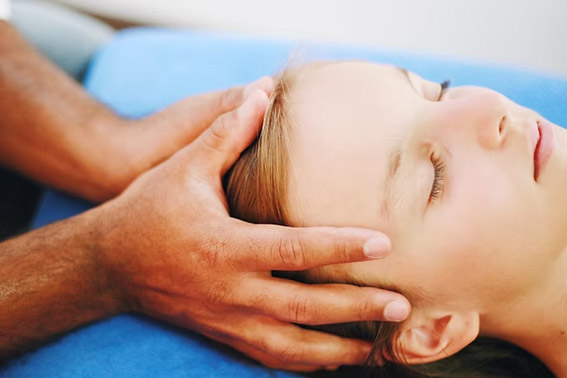
An osteopath first carries out a physical assessment of the patient. To do this, they draw on their extensive knowledge of the anatomy and physiology of the human body. They gain an overview of the possible causes of the patient’s symptoms, such as restricted movement. To this end, they use palpation – that is, feeling the patient’s body with their hands – to identify blockages within the body.
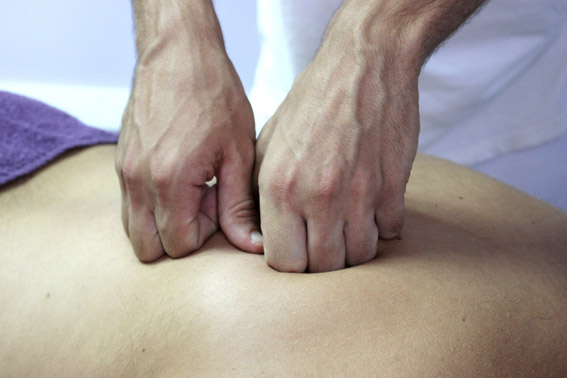
Following the diagnosis, the osteopath carries out the treatment. This is also performed entirely manually using the practitioner’s hands. Accordingly, techniques from the osteopathic treatment repertoire are employed, consisting of various manual manipulation techniques. The aim is always to treat the causes rather than the symptoms, so that the body can subsequently heal itself.
Osteopathy – Treatment
Before the actual treatment begins, the osteopath takes a medical history, asking about the patient’s current symptoms and medical history. The risk of side effects is low with osteopathic treatment. However, there are some conditions in which the osteopath must refrain from using forceful osteopathic techniques. These include, for example, bleeding, bone infections and severe osteoporosis.
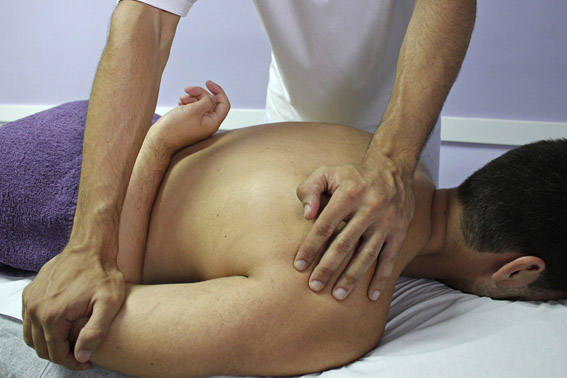
Following the consultation, the patient lies down on a treatment couch. The osteopath examines and treats the patient using their trained hands. They can sense where there is too much or too little tension in the body and where tissue activity is restricted or increased. The functional disturbances identified are treated directly using various manual techniques that activate the body’s self-healing powers. Consequently, the examination and treatment flow seamlessly into one another. The treatment lasts between 45 and 60 minutes. Depending on the symptoms, a single treatment may be sufficient. Sometimes three, five or numerous sessions over a longer period are recommended. Patients notice an initial improvement within a few days, but the full effect is only felt after about two weeks.
An osteopath can treat a wide range of conditions, including muscle tension, slipped discs, lumbago, injuries to the ligaments, muscles and skeleton, tinnitus, migraines, allergies and hormonal imbalances. In emergencies and cases of acute infections, as well as serious illnesses that exceed the body’s self-healing capabilities (such as heart attacks, cancer and severe infectious diseases), conventional medical treatment is, however, strongly preferable. In such cases, osteopathic therapy can only be used as a complementary treatment to conventional medicine. (Source: prakztischarzt)