
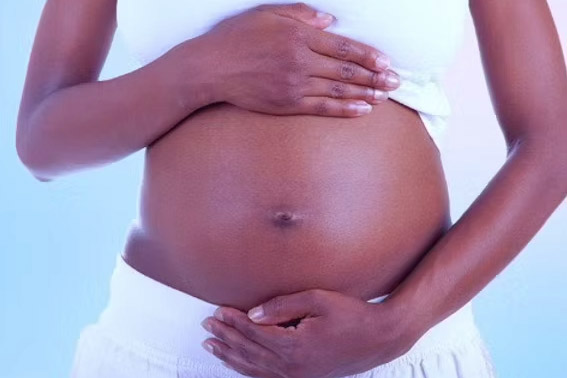


Osteopathy During Pregnancy
A new life is growing and getting ready! The pregnant woman gives HIM everything he needs: nourishment, protection, love, time, and space to grow.
This goes hand in hand with major changes in the woman’s body. All bodily systems (cardiovascular, digestive, musculoskeletal, respiratory, and renal) must adapt and adjust to pregnancy and childbirth. These organs are now working for “two,” even though they have less and less space as the pregnancy progresses.
Osteopathic treatment helps the expectant mother experience pregnancy as comfortably as possible and ensures that the baby is well-nourished and has enough space to grow.
In the second trimester of pregnancy, the osteopath corrects the expectant mother’s altered posture and keeps the diaphragm, uterus, and pelvic ring mobile.
Toward the end of pregnancy, the focus is on techniques to relieve congestion and improve mobility in the spine and pelvic girdle, as well as on the baby’s mobility within the uterus and achieving the desired fetal position with the baby centered.
All techniques used are specially adapted and very gentle. Craniosacral techniques can help restore the expectant mother’s mental well-being.
Since medication should generally be avoided during pregnancy, osteopathic treatment with its gentle techniques offers a good alternative.
Indications for osteopathic treatment
Preventive osteopathic examinations and treatment are recommended during every trimester of pregnancy.
- Shortness of breath, a feeling of pressure and tightness in the chest,
- tingling or numbness in the hands
- Blockages in the cervical and thoracic spine
- Headaches
- Digestive problems, heartburn, gastroesophageal reflux
- Venous and lymphatic drainage disorders, increased urge to urinate, edema
- Unilateral “belly” (limited space for the baby)
- Malposition of the baby
- Back pain, sciatica
- Dysfunctions of the pelvic ring (symphysis, pubis, pelvic floor)